Silent cries—whether visible or hidden, noticed or ignored—are rising from every corner of the world. These cries echo in many forms: in the tears of a child, in the loneliness of an elderly person, in the quiet despair of a family struggling to survive, or in the uncertain waiting of a refugee.
Geographies may differ. So do religions, languages, and cultures. Yet pain looks remarkably similar everywhere. In one place, the elderly are condemned to loneliness; in another, children and women lose their lives to hunger, war, or neglect. In one city, people are marginalized because of their identity; on another continent, they are excluded because of their skin color, beliefs, or migration status.
All of this reminds us of one essential truth: our problems are shared. Therefore, our solutions must be shared as well. Despite all differences, humanity longs for the same things—peace, prosperity, justice, safety, respect, and hope. In short, the desire to live with dignity.
It is time to see clearly: today’s challenges do not belong to any single country, city, region, or group. From climate crises to wars, from loneliness to polarization, from migration to social unrest, from economic inequality to cultural exclusion—these issues leave deep and lasting marks on our collective future. They have become global tests that shape humanity’s destiny.
This reality shows us that solutions can only be achieved through shared wisdom and shared conscience. A livable world can only be built when we move from “I” to “we.”
Humanity’s greatest wealth lies in its differences. Different languages, religions, ethnicities, and cultures are a source of richness—as long as they are not used to divide or dominate. But when these differences become tools for exclusion or contempt, they endanger our shared future. To be human is to feel the pain of those who are different from us and to strive to ease that pain.
Ignoring the hunger of a child on the street, the struggles of a lonely elderly neighbor, the hardships faced by refugees, or the destruction caused by distant wars may bring temporary comfort. But this indifference will not remain local. Every ignored problem grows, crosses borders, and eventually reaches all of us. Pain is universal—and so are the consequences of indifference.
No individual, institution, or state is sufficient alone. Meaningful transformation can only begin when we think together, feel together, and act together.
This is why the SU Platform was founded. It is a community built on empathy and solidarity, one that views differences as a source of strength and works to produce concrete solutions to social challenges. SU aims to turn small local steps into global hope.
This transformation does not come from the top down. It grows from the bottom up—from the streets to neighborhoods, from cities to countries, and from countries to the world. The first link in this chain is an individual’s effort to understand another. The next links are formed when institutions, societies, and governments turn empathy into a shared will to live together.
Only then can a small act of solidarity in one neighborhood become a beacon of hope for the world.
Today’s technological advancements offer humanity unprecedented power. But these tools have no value on their own. What matters is how we use them—whether to protect human dignity, promote social welfare, solve societal problems, uphold justice, and strengthen peace.
Without a moral compass, even the most advanced societies risk collapse. A tear shed in one place can threaten peace elsewhere. A social issue ignored in one region can destabilize another. Excluding an individual or group in one country can harm social harmony in another.
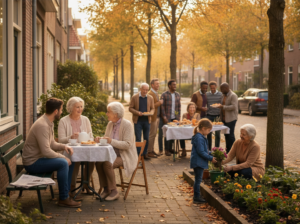
True social peace cannot be built by laws alone. It grows through genuine human relationships. A strong society protects not only those who are similar but also those who are different. A healthy neighborhood is not one where everyone speaks the same language, but where people choose to understand one another.
A livable world is only possible when such neighborhoods multiply.
Every individual, group, and nation carries responsibility. Sometimes this means offering a helping hand. Sometimes it means raising a voice. Sometimes it simply means listening.
Changing the world may sound like a grand idea, but it begins with small acts—starting with yourself. Feeling another’s pain as your own is perhaps the greatest human virtue we need today.
- Not by belittling one another, but by trying to understand
- Not by dominating, but by supporting
- Not by mocking, but by learning together
- Not by excluding, but by embracing
- Not by silencing, but by listening
- Not by consuming, but by sustaining
All of this is both possible and necessary. Because we live in an age where we cannot survive without thinking together.
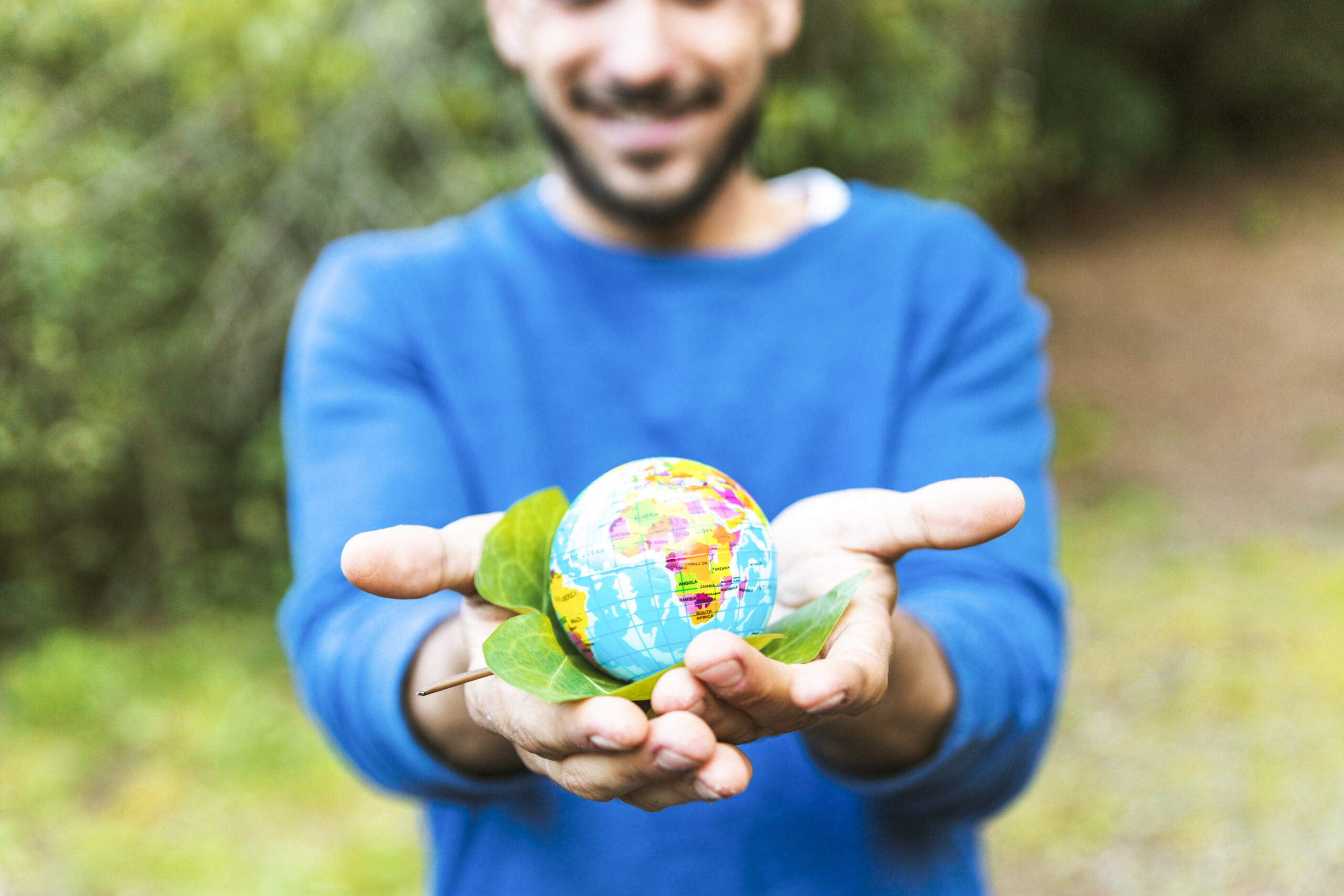
Regardless of language, religion, nationality, or culture—every human breathes under the same sky. Warms under the same sun. Hopes for the same future.
So let us think together. Feel together. Create solutions together.
Because the more we drift apart, the more we sink together. But when we unite, listen, and support each other, even our problems begin to change shape.
Solidarity is not only for times of need—it is essential for building a shared future.
That is why now is the time to come together, to unite our voices, and to act.
No matter who we are or where we come from, humanity shares a common conscience, a common mind, and a common hope. And that hope grows through small but sincere steps.
The greatest need of our time is solidarity networks guided by shared conscience.
As the SU Platform, we believe:
The future will be shaped by those who think together.
Let us come together with a shared conscience and build a more livable world—together.